
People often think notarization is just a legal stamp and a quick signature. Yet in Ontario, notarization does far more by verifying identities and protecting millions of dollars in transactions each year. The real surprise is that this routine step can completely change the outcome of legal disputes, shaping the future of both businesses and families in ways most never realize.
Table of Contents
- What Is Notarization And Its Purpose?
- Importance Of Notarization In Legal Processes
- Key Components Of Notarization Requirements
- Roles And Responsibilities Of Notaries
- Understanding The Impact Of Notarization In Ontario
Quick Summary
| Takeaway | Explanation |
|---|---|
| Notarization ensures document authenticity | It verifies signatures and identities, safeguarding against fraud and misrepresentation in legal processes. |
| Key roles of notaries include verification | Notaries confirm the signer’s identity, ensure voluntary signing, and maintain official records to uphold document integrity. |
| Legal protection against disputes | Notarized documents create a clear chain of evidence, helping prevent misunderstandings and disputes regarding legitimacy. |
| Widely recognized legal credibility | Notarized documents are accepted across jurisdictions, enhancing their value in international transactions and legal agreements. |
| Prevents financial and legal risks | Notarization reduces the risk of fraudulent misrepresentations, protecting personal and organizational interests from potential liabilities. |
What Is Notarization and Its Purpose?
Notarization represents a critical legal authentication process that verifies the legitimacy and integrity of important documents in Ontario. At its core, notarization serves as an official confirmation that signatures, identities, and document contents are genuine and trustworthy.
Understanding the Core Function of Notarization
When a document requires notarization, a licensed notary public acts as an impartial witness who confirms several key aspects of a document or signature. This professional confirms that:
- The person signing the document is who they claim to be
- The individual is signing the document voluntarily and without coercion
- The signer understands the contents and implications of the document
According to the Ontario Attorney General’s Office, notarization provides an essential layer of legal protection and authenticity for various important transactions and legal processes.
Why Notarization Matters
Notarization goes beyond simple signature verification. It creates a legal safeguard that protects all parties involved in a transaction. By adding an official seal and signature, a notary public transforms an ordinary document into a document with enhanced legal credibility.
Common scenarios requiring notarization include:
- Real estate transactions
- Affidavits and sworn statements
- Power of attorney documents
- International business agreements
- Immigration and citizenship documentation
For those seeking deeper insights into the nuanced world of legal documentation, our comprehensive guide on notarized statements offers additional context about this critical legal process.
Importance of Notarization in Legal Processes
Notarization plays a pivotal role in establishing legal credibility and protecting the interests of individuals and organizations across various legal contexts. The process provides an additional layer of verification that strengthens the legal standing of critical documents.
Legal Authentication and Risk Mitigation
In legal proceedings, notarization serves as a powerful mechanism for preventing fraud and ensuring document authenticity. By requiring an impartial third party to verify signatures and identities, notarization creates a robust system of checks that significantly reduces the potential for misrepresentation or unauthorized document alterations.
Key legal protections provided by notarization include:
- Creating an official record of document execution
- Establishing a clear chain of evidence
- Providing independent verification of signatories
- Reducing potential disputes about document legitimacy
According to legal research from the Canadian Bar Association, notarization represents a critical safeguard in maintaining the integrity of legal transactions and documentation.
Jurisdictional Recognition and Compliance
Notarized documents carry significant weight across different legal jurisdictions. They are universally recognized as having enhanced legal credibility, which makes them particularly valuable for international transactions, immigration processes, and cross-border legal agreements.
For professionals and individuals seeking to understand the nuanced differences between various legal authentication methods, our detailed guide on legalization versus notarization offers comprehensive insights into these critical legal processes.
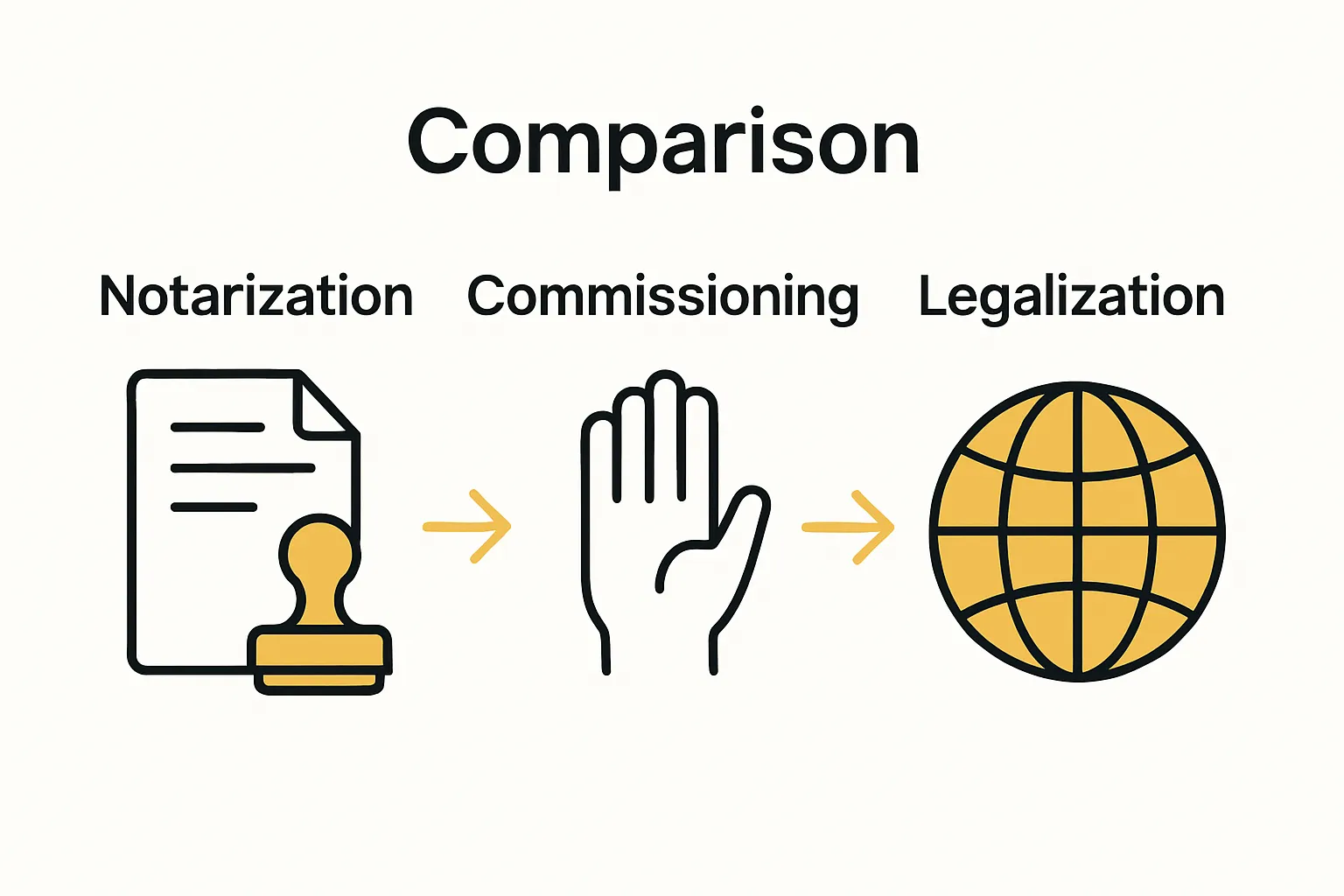
Beyond mere signature verification, notarization represents a sophisticated legal tool that provides comprehensive protection for all parties involved in important documentation and transactions. Its significance extends far beyond a simple administrative formality, serving as a fundamental mechanism for maintaining legal transparency and trust.
Key Components of Notarization Requirements
Notarization involves a structured process with specific legal requirements that must be meticulously followed to ensure document validity. Understanding these critical components helps individuals navigate the notarization process effectively and guarantee the legal recognition of their important documents.
Identity Verification and Personal Appearance
The foundational requirement of notarization is robust personal identification.
A notary public must confirm the identity of the document signer through reliable and government-issued identification. This step prevents fraud and ensures the authenticity of the signing process.
Essential identity verification components include:
- Valid government photo identification
- Original documents with current information
- Multiple forms of identification when primary documents are insufficient
- Verification of the signer’s physical presence during the notarization
According to the Ontario Attorney General’s Office, precise identification protocols are crucial in maintaining the integrity of legal document authentication.
Document Integrity and Willful Consent
Beyond identity verification, notarization requires a comprehensive assessment of the document and the signer’s voluntary participation. The notary must confirm that the individual understands the document’s contents and is signing without external pressure or coercion.
Key considerations for document integrity include:
- Ensuring the document is complete before notarization
- Confirming the signer’s mental competence
- Verifying that all required signatures are present
- Checking for any signs of tampering or alteration
For those seeking more detailed insights into the nuanced world of legal documentation, our comprehensive guide on online notary services provides additional context about modern notarization practices.
Ultimately, notarization serves as a critical legal mechanism that transforms an ordinary document into an officially recognized instrument with enhanced credibility and legal standing.
Below is a table summarizing the key components of notarization requirements in Ontario to offer a clear overview of each essential element and its main purpose.
| Component | Description | Purpose |
|---|---|---|
| Identity Verification | Confirming the signer through valid government-issued ID | Prevents fraud and ensures authenticity |
| Personal Appearance | Signer must be physically present before the notary | Verifies the signing is genuine |
| Document Completeness | Ensuring document is fully completed before notarization | Protects against post-signing alterations |
| Willful Consent | Signer must act voluntarily and understand the document | Guards against coercion or misunderstanding |
| Record Keeping | Maintains official records of notarial acts | Provides legal protection and traceability |

Roles and Responsibilities of Notaries
Notaries in Ontario play a critical role in maintaining legal integrity and providing official authentication for crucial documents. Their responsibilities extend far beyond simple signature witnessing, encompassing a complex set of professional obligations that protect individual and organizational interests.
Legal Authentication and Verification
Notaries serve as impartial legal professionals who are entrusted with several key responsibilities in document verification and authentication. Their primary function is to prevent fraud and ensure the legal validity of important transactions.
Core legal authentication responsibilities include:
- Verifying the identity of document signers
- Confirming the voluntary nature of document signing
- Administering oaths and statutory declarations
- Certifying true copies of original documents
- Maintaining detailed records of notarial acts
According to Ontario’s Notaries Act, notaries are legally authorized to perform these critical functions with the utmost professional standards and ethical considerations.
Professional Conduct and Ethical Standards
Beyond technical responsibilities, notaries are bound by stringent ethical guidelines that demand absolute integrity and impartiality. They must remain neutral third parties who protect the legal interests of all individuals involved in a transaction.
Ethical expectations for notaries include:
- Maintaining strict confidentiality
- Avoiding conflicts of interest
- Rejecting documents with apparent signs of fraud
- Ensuring signers understand document contents
- Performing duties without undue influence
For professionals and individuals seeking deeper insights into the nuanced world of notarial practices, our comprehensive guide on notary public duties offers extensive details about these professional standards.
Ultimately, notaries represent a fundamental pillar of legal authentication, providing an essential service that maintains the integrity of critical documents and transactions across various legal and professional contexts.
This table highlights the primary roles and ethical responsibilities of notaries in Ontario, clarifying the distinctions between legal duties and professional conduct.
| Role/Responsibility | Category | Explanation |
|---|---|---|
| Identity Verification | Legal Duty | Confirm signer’s identity to prevent fraud |
| Administering Oaths | Legal Duty | Ensure lawful statements and declarations |
| Certifying Copies | Legal Duty | Confirm true copies of original documents |
| Maintaining Records | Legal Duty | Create and preserve official records |
| Confidentiality | Ethical Standard | Protect privacy of all parties involved |
| Neutrality | Ethical Standard | Remain impartial without conflict of interest |
| Rejecting Fraud | Ethical Standard | Decline documents with signs of tampering |
Understanding the Impact of Notarization in Ontario
Notarization represents a critical legal mechanism that extends far beyond simple document authentication, profoundly influencing various aspects of personal, professional, and institutional interactions within Ontario’s legal landscape.
Economic and Legal Risk Mitigation
Notarization serves as a powerful risk management tool that provides substantial protection for individuals and organizations. By creating an official, tamper-evident record of critical transactions, notarization significantly reduces potential legal vulnerabilities.
Key economic and legal impacts include:
- Preventing fraudulent document submissions
- Reducing potential litigation expenses
- Establishing clear evidentiary standards
- Creating legally recognized documentation
- Protecting financial and personal interests
According to the Ontario Attorney General’s Office, notarization helps protect consumers and institutions by providing reliable assurance of document authenticity.
Societal and Institutional Trust
Notarization plays a fundamental role in maintaining broader societal trust by establishing a standardized mechanism for document verification. This process creates a transparent framework that supports legal integrity across multiple sectors, including real estate, business, immigration, and personal legal documentation.
Broad societal impacts of notarization encompass:
- Enhancing institutional credibility
- Supporting legal system transparency
- Providing a consistent authentication standard
- Protecting vulnerable individuals from potential exploitation
- Facilitating cross-jurisdictional document recognition
For those interested in exploring the nuanced legal implications of document authentication, our comprehensive guide on when notary services are required provides deeper insights into these critical legal processes.
Ultimately, notarization transcends mere bureaucratic procedure, representing a sophisticated legal instrument that reinforces trust, prevents fraud, and maintains the integrity of critical personal and professional interactions throughout Ontario.
Ready to Navigate Ontario’s Notarization Requirements With Ease?
Have you ever felt stressed about meeting strict notarization standards in Ontario? Trying to secure proper identification or worrying your documents may not be legally recognized can be overwhelming. Missing a single step could put your important affidavits, statutory declarations, or invitation letters at risk. If you want peace of mind knowing your documents meet every Ontario legal requirement, you are not alone. Many people face these challenges every day. Explore more about these common issues and solutions in our Uncategorized – The Online Notary section.

Take the simple path to legal assurance. Choose The Online Notary to complete your notarization quickly and securely from your home. Our trusted online notary services cover affidavits, declarations, and a wide range of document needs in Ontario. Do not risk rejection or delays. Get started now with The Online Notary and move forward with confidence.
Frequently Asked Questions
What is notarization?
Notarization is a legal process that verifies the authenticity and integrity of important documents, confirming that signatures, identities, and document contents are genuine and trustworthy.
Why is notarization important?
Notarization provides legal protection and enhances the credibility of documents in various transactions, reducing the risk of fraud and establishing clear evidence of document execution.
What do I need for notarization?
To obtain notarization, you must provide valid government-issued photo identification, ensure the document is complete, and appear in person for the notary to verify your identity and willingness to sign.
What types of documents commonly require notarization?
Documents that often require notarization include real estate agreements, affidavits, power of attorney documents, and immigration paperwork.
Recommended
- When Is Notary Required in Ontario: Key Legal Situations – The Online Notary
- Can Anyone Notarize a Document in Ontario? 2025 Guide – The Online Notary
- When Is a Notary Required in Ontario? Essential 2025 Guide – The Online Notary
- How to Legalize a Document in Ontario: A Step-by-Step Guide – The Online Notary