
Every legal transaction starts with one crucial step—proving your identity. For business owners and individuals across Ontario, presenting the right identification documents is the cornerstone of protecting your legal interests when using online notary services. Knowing which government-issued IDs meet Ontario’s standards helps you avoid unwanted delays and ensures your affidavits and declarations are accepted without issue.
Table of Contents
- What Identification Documents For Notary Mean
- Accepted Types Of Identification In Ontario
- Key Features Of Valid Identification
- Remote Commissioning Versus Notarization
- Risks Of Invalid Or Expired Identification
- Mistakes To Avoid When Presenting ID
Key Takeaways
| Point | Details |
|---|---|
| Identification is Critical | Government-issued identification is essential for verifying personal identity in notary services, helping prevent fraud and ensuring accurate documentation. |
| Multiple ID Forms Recommended | Always bring several forms of acceptable identification to facilitate a smooth notarization process and meet legal requirements. |
| Validity of Documents | Only original, unexpired documents with matching personal information can be used for notarization to avoid complications. |
| Remote Commissioning Differentiation | Understand the differences between traditional notarization and remote commissioning to choose the most appropriate method for document verification. |
What Identification Documents for Notary Mean
Identification documents for notary services represent official, government-issued proofs of personal identity designed to verify an individual’s authentic legal status during legal transactions. These documents serve as critical validation tools that enable notaries to confirm a person’s identity, preventing fraud and ensuring the integrity of official documentation.
In Ontario, acceptable identification documents typically include primary government identification that meet specific criteria. These documents must contain several key elements:
- A clear, recent photograph of the individual
- Full legal name matching other documentation
- Signature of the document holder
- Current residential address
- Unique identification number
The most commonly accepted identification documents include:
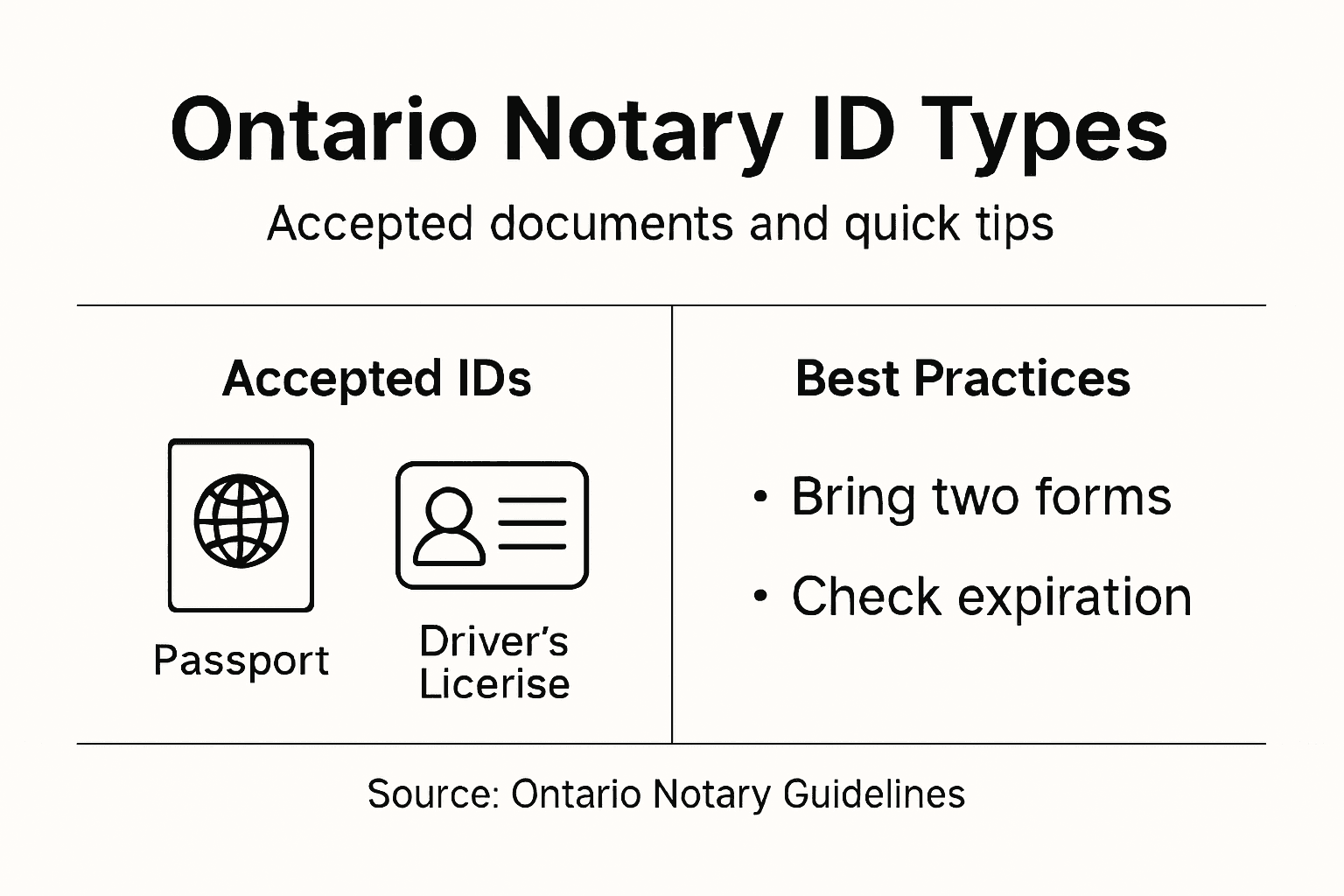
- Canadian Passport
- Ontario Driver’s License
- Provincial Health Card
- Permanent Resident Card
- Canadian Military ID
These documents play a crucial role in understanding notarization requirements by providing a standardized method of personal verification. Notaries use these documents to confirm that the person signing a document is indeed who they claim to be, which helps protect against identity theft and fraudulent transactions.
Document authenticity is paramount in this process. Notaries are trained to carefully examine identification documents for signs of tampering, expiration, and other potential irregularities that might compromise the verification process.
Pro tip: Always bring multiple forms of government-issued photo identification when seeking notary services to ensure a smooth verification process.
Accepted Types of Identification in Ontario
In Ontario, notary services require specific types of government-issued identification that meet stringent verification standards. Acceptable identity documents must provide comprehensive proof of an individual’s legal identity and personal information.
The primary categories of accepted identification include:
- Canadian Passport
- Ontario Driver’s License
- Permanent Resident Card
- Canadian Citizenship Card
- Provincial Health Card
- Military Identification
- Immigration Documents (Study Permits, Work Permits)
Each identification document must meet critical requirements to be considered valid for notary services:
- Must be an original document
- Document must be currently valid
- Contains a clear, recent photograph
- Includes full legal name
- Features a unique identification number
- Bears the individual’s signature
Notably, some documents have specific additional considerations. For instance, driver’s licenses expired less than one year might still be acceptable, while completely expired documents are typically rejected. Foreign passports can also be used, provided they are current and contain the necessary identifying information.
Here’s a quick comparison of commonly accepted identification types and their unique advantages for notarization in Ontario:
| Identification Type | Distinct Benefit | Best Use Case |
|---|---|---|
| Canadian Passport | Universally recognized | International travel documents |
| Ontario Driver’s License | Contains address and photo | Local and provincial transactions |
| Permanent Resident Card | Confirms immigration status | Immigration-related legal matters |
| Health Card | Validates health coverage | Medical consent documentation |
| Military ID | Establishes military affiliation | Military-focused transactions |
| Citizenship Card | Proves citizenship status | Citizenship verification needs |
| Immigration Documents | Supports temporary status proof | Student or work permit matters |
Document authentication remains paramount in this process. Notaries carefully examine each identification document to ensure its legitimacy and protect against potential fraudulent activities.
Pro tip: Always bring two different forms of government-issued photo identification to guarantee a smooth notarization process.
Key Features of Valid Identification
Valid identification documents are more than just pieces of paper. Acceptable identity documents must meet rigorous standards that ensure accurate personal verification and prevent potential fraud.
The most critical key features of valid identification include:
- Originality of the document
- Current and unexpired status
- Government-issued authentication
- High-quality photographic representation
- Legible personal information
- Unique identification number
- Official security features
Each identification document must satisfy specific criteria to be considered legitimate:
- Must be an original, unaltered document
- Photograph must clearly represent the current appearance of the individual
- Personal details must be accurate and matching across documents
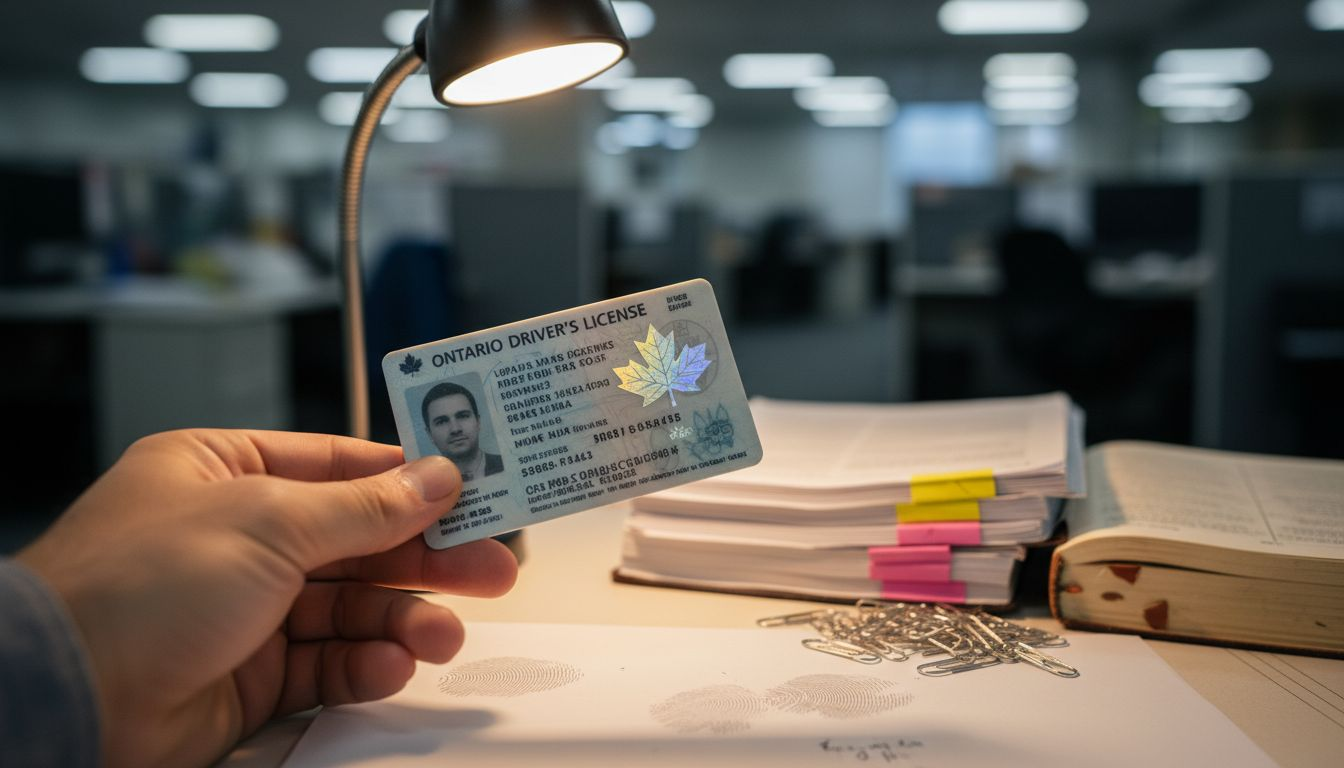
- Security elements like holographic markers must be intact
- Language of the document must be English or French
- Signatures must be consistent and match the document
Document integrity goes beyond simple visual inspection. Notaries and legal professionals carefully examine each identification document for subtle signs of tampering or manipulation, ensuring the highest level of verification.
Authentic identification is your personal security passport in legal transactions.
Authentication elements play a crucial role in establishing document credibility. Modern identification documents incorporate sophisticated security features like microprinting, watermarks, and embedded digital signatures that make counterfeiting increasingly difficult.
Pro tip: Always store your identification documents in a secure, protective sleeve to prevent damage and maintain their validity.
Remote Commissioning Versus Notarization
Remote commissioning and notarization are two distinct legal processes that serve similar but critically different purposes in document authentication. Online notary services have transformed how legal documents are verified and authenticated in the digital age.
The key differences between remote commissioning and notarization include:
- Authentication method
- Legal scope and authority
- Technological requirements
- Document types processed
- Verification standards
- Professional oversight
- Geographic limitations
Key characteristics of each process:
- Notarization involves:
- Verifying identity
- Witnessing document signatures
- Applying an official seal
- Confirming voluntary signature
- Remote commissioning involves:
- Digital document verification
- Virtual identity confirmation
- Electronic signature validation
- Remote witnessing capabilities
Technological infrastructure plays a crucial role in distinguishing these processes. Remote commissioning relies heavily on secure digital platforms, while traditional notarization typically requires physical presence and paper documentation.
Digital authentication represents the evolution of legal verification processes.
Both methods aim to prevent fraud and ensure document integrity, but they employ different technological and legal mechanisms to achieve this goal. Remote commissioning leverages advanced digital tools to create secure, legally recognized document authentication processes.
Pro tip: Always confirm the specific legal requirements for your document type before choosing between remote commissioning and traditional notarization.
To further clarify the distinction between remote commissioning and notarization, see the comparison below:
| Criteria | Notarization (Traditional) | Remote Commissioning (Digital) |
|---|---|---|
| Process Location | In person | Online platform |
| Identity Verification | Physical document review | Secure video/online authentication |
| Legal Authority | Notary public | Commissioner for oaths |
| Typical Document Types | Affidavits, contracts, deeds | Affidavits, statutory declarations |
| Technology Requirement | None (paper-based) | Internet-enabled devices and software |
| Oversight | Direct oversight by notary | Monitored through secure digital tools |
| Geographic Limitation | Restricted to jurisdiction | Can be accessed anywhere within Ontario |
Risks of Invalid or Expired Identification
Using invalid or expired identification documents can lead to significant legal and procedural complications during notarization processes. Notary identification requirements are designed to protect individuals and institutions from potential fraud and legal misrepresentation.
The primary risks associated with invalid or expired identification include:
- Automatic rejection of document authentication
- Potential legal invalidation of critical paperwork
- Delays in processing important transactions
- Financial and administrative complications
- Potential accusations of attempted fraud
- Loss of time and resources
- Increased scrutiny from legal authorities
Specific consequences of using invalid identification can involve:
- Complete rejection of notarization request
- Mandatory rescheduling of legal appointments
- Additional verification procedures
- Potential legal penalties
- Damage to personal credibility
Document verification represents a critical safeguard in legal and financial transactions. Notaries are legally obligated to meticulously examine identification documents for authenticity, currency, and completeness.
Invalid identification can transform a simple transaction into a complex legal challenge.
Beyond immediate transactional risks, using expired or invalid identification can trigger broader systemic complications. Financial institutions, government agencies, and legal bodies maintain strict protocols that depend on accurate personal identification.
Pro tip: Always review and update your identification documents at least six months before their expiration date to prevent unexpected authentication challenges.
Mistakes to Avoid When Presenting ID
Navigating identification requirements demands careful attention to detail and strategic preparation. Notarized document validity depends significantly on avoiding common identification presentation errors.
Common mistakes individuals make when presenting identification include:
- Bringing outdated or expired documents
- Presenting photocopies instead of original documents
- Using damaged or worn identification
- Mismatched personal information across documents
- Failing to bring multiple identification forms
- Presenting non-government issued identification
- Overlooking document language requirements
Specific errors that can completely derail notarization processes:
- Presenting a driver’s license with significant physical damage
- Using an identification document where personal appearance differs dramatically
- Bringing identification without a clear, legible photograph
- Selecting identification without a signature
- Choosing documents with inconsistent personal information
Document preparation requires meticulous attention to prevent authentication challenges. Notaries conduct thorough visual and procedural inspections to ensure identification meets rigorous legal standards.
Precise identification presentation is your gateway to seamless legal transactions.
Beyond immediate rejection risks, presenting incorrect identification can trigger broader complications. Legal and financial institutions maintain strict verification protocols that demand absolute accuracy in personal documentation.
Pro tip: Create a dedicated folder for storing current identification documents and review them biannually to ensure continued validity and optimal condition.
Ensure Your Identification Meets Ontario Notary Standards Today
Navigating the strict requirements for identification documents in Ontario can be overwhelming. With risks like document rejection and delays, having the right government-issued ID and understanding key concepts like document authenticity and notarization is essential. Avoid common mistakes and protect yourself against fraud by knowing exactly what identification you need for successful notarization and remote commissioning.

Ready to simplify your notary process with expert online services designed for Ontario residents? Visit The Online Notary to access convenient solutions for affidavits, statutory declarations, and more. Learn how we ensure secure identity verification and help you meet all notarization requirements by checking our Uncategorized – The Online Notary page. Don’t wait until your documents are rejected. Get started now and experience smooth, compliant notarization at your fingertips.
Frequently Asked Questions
What types of identification documents are acceptable for notary services?
In Ontario, acceptable identification documents include a Canadian Passport, Ontario Driver’s License, Permanent Resident Card, Canadian Citizenship Card, Provincial Health Card, Military Identification, and immigration documents such as Study and Work Permits.
What are the key features of valid identification for notary purposes?
Valid identification must be original, current and unexpired, government-issued, contain a clear photograph, and include the individual’s full name, signature, and unique identification number.
What could happen if I present expired or invalid identification to a notary?
Using expired or invalid identification can lead to automatic rejection of your notarization request, potential legal invalidation of documents, delays in processing, and even accusations of attempted fraud.
Why is document verification important in notarization?
Document verification is crucial because it protects against fraud and ensures the integrity of legal transactions by confirming an individual’s identity accurately and securely.
Recommended
- Notary Identification Requirements in Ontario for 2025 – The Online Notary
- Can Anyone Notarize a Document in Ontario? 2025 Guide – The Online Notary
- When Is Notary Required in Ontario: Key Legal Situations – The Online Notary
- Understanding Notary Public Duties in Ontario – The Online Notary
- DD214 Member-1 vs. Member-4: Why the Difference Matters for SNF Billing & Compliance – Smart Admissions