
People often think a signature on paper is just paperwork. Yet when that signature is on an affidavit, it suddenly gains massive power. One sworn document can decide entire court cases and in Ontario, an affidavit backed by a notary or commissioner is so legally strong that false statements can lead to perjury charges and even jail time. Most people mix up affidavits and witness statements or assume they work the same way. The truth is, their differences can make or break a legal claim.
Table of Contents
- What Is An Affidavit And How Does It Work?
- What Is A Witness Statement And Its Purpose?
- Key Differences Between Affidavits And Witness Statements
- The Importance Of Affidavits And Witness Statements In Legal Proceedings
- Practical Applications Of Affidavits And Witness Statements In Ontario
Quick Summary
| Takeaway | Explanation |
|---|---|
| Affidavits must be sworn before an official. | This formal process involves an affiant affirming the truth of the document in front of a notary or legal officer. |
| Witness statements focus on firsthand accounts. | These documents provide personal narratives based on direct observations of events, useful for context in legal cases. |
| Affidavits carry higher evidentiary weight. | Due to their sworn nature and official commissioning, affidavits are generally considered more credible in court than witness statements. |
| Both serve essential roles in legal proceedings. | Affidavits and witness statements are crucial for presenting factual evidence and supporting legal arguments across various contexts. |
| Understanding their differences is critical. | Recognizing how affidavits and witness statements differ helps individuals choose the appropriate document for their legal needs. |
What is an Affidavit and How Does It Work?
An affidavit is a powerful legal document that serves as a written statement of facts, voluntarily made under oath and legally binding. Unlike casual written statements, an affidavit carries significant legal weight because the person creating it swears or affirms the truthfulness of its contents in front of an authorized official.
The Legal Foundation of Affidavits
An affidavit becomes legally valid through a specific process called “commissioning” or “swearing in.” During this process, the individual making the statement (known as the affiant) appears before a commissioned notary public, commissioner for taking affidavits, lawyer, or other authorized legal professional. The affiant must:
- Confirm the contents of the document are true
- Understand the legal implications of making false statements
- Sign the document in the presence of the authorized official
The official then adds their official seal or stamp, which transforms the document from a simple written statement into a legally recognized affidavit. This process ensures the document’s authenticity and provides a formal mechanism for verifying the declarant’s statements.
Key Characteristics of Affidavits
Affidavits are unique legal instruments with several critical characteristics that distinguish them from other forms of documentation. They are:
- Voluntary: The affiant must create the document willingly, without coercion
- Sworn: The contents are declared under oath, which means intentionally false statements can result in legal penalties
- Written: Always in written format, typically with specific formal language
- Notarized: Authenticated by an official with the legal authority to administer oaths
The legal significance of an affidavit stems from its sworn nature. By signing an affidavit, an individual effectively declares that the information contained within is true to the best of their knowledge, under penalty of perjury. According to the Ontario Court of Justice, affidavits are commonly used in various legal proceedings, including court cases, property transactions, and immigration applications.
Learn more about commissioning affidavits online in Ontario to understand the precise steps and legal requirements for creating a valid document.
What is a Witness Statement and Its Purpose?
A witness statement is a formal written document that provides firsthand testimony about specific facts or events, typically used in legal proceedings to present accurate and direct evidence. Unlike an affidavit, a witness statement represents a personal account of observed events, offering crucial context and detailed information from someone who has direct knowledge of the circumstances.
The Legal Significance of Witness Statements
Witness statements serve as critical pieces of documentary evidence in various legal contexts. They function as a comprehensive written record of a person’s direct observations, experiences, or knowledge relevant to a specific case. The primary objective of a witness statement is to communicate clear and precise factual information that can help judges, lawyers, and other legal professionals understand the details of a dispute or incident.
Key characteristics of witness statements include:
- Providing firsthand accounts of events
- Presenting factual information based on personal observation
- Supporting or challenging claims in legal proceedings
- Offering detailed context that might not be apparent through other forms of evidence
Formal Requirements and Preparation
Preparing a witness statement requires careful attention to detail and adherence to specific legal standards. According to the UK Ministry of Justice, a valid witness statement must:
- Be written in the witness’s own words
- Contain only facts that the witness personally knows
- Clearly distinguish between direct observation and hearsay
- Include specific dates, times, and relevant details
- Be signed and dated by the witness
The statement must be prepared with utmost honesty and accuracy. Witnesses are expected to provide a truthful account of events, understanding that false statements can lead to serious legal consequences. While witness statements share some similarities with affidavits, they are typically less formal and focus more on narrative description rather than sworn testimony.
Explore our guide on legal documentation to understand the nuanced differences between various legal written statements.
Key Differences Between Affidavits and Witness Statements
While affidavits and witness statements are both important legal documents used to present factual information, they differ significantly in their legal structure, preparation, and evidentiary value. Understanding these nuanced differences is crucial for anyone navigating legal proceedings or preparing documentary evidence.
Formal Authentication and Legal Weight
The primary distinction between affidavits and witness statements lies in their method of authentication and legal significance. An affidavit requires formal commissioning, meaning the document must be sworn or affirmed in front of an authorized official like a notary public. This process adds a layer of legal authenticity that elevates its credibility.
Witness statements, by contrast, are typically less formal and do not always require the same level of official authentication. Key differences in their legal standing include:

- Affidavits: Sworn under oath with potential perjury consequences
- Witness Statements: Often narrative accounts without mandatory oath administration
- Affidavits: Carry higher evidentiary weight in legal proceedings
- Witness Statements: Provide contextual information but may require additional verification
Procedural and Contextual Variations
According to the United Nations International Law Commission, the procedural requirements for these documents can vary significantly across different legal jurisdictions. Affidavits generally follow a more structured format with specific legal language, while witness statements allow for a more narrative and descriptive approach.
Witness statements typically focus on providing a comprehensive narrative of events, allowing the writer more flexibility in describing personal observations. Affidavits, however, demand precise, factual statements with minimal interpretative language. This fundamental difference impacts how each document is perceived and used within legal frameworks.
To help clarify the core distinctions between affidavits and witness statements, the following table summarizes their key differences in structure, authentication, and legal significance.
| Aspect | Affidavit | Witness Statement |
|---|---|---|
| Formal Authentication | Sworn before authorized official (notary, commissioner) | Not typically sworn; no official required |
| Legal Weight | High—potential perjury penalties | Moderate—may need additional verification |
| Content | Factual, precise, minimal interpretation | Narrative, descriptive, includes observations |
| Use in Court | Commonly accepted as strong evidence | Used as supporting evidence, may need corroboration |
| Format Requirements | Strictly written; formal legal language | Can be in witness’s own words; less formal |
| Preparation | Signed in front of an official | Signed and dated by the witness |
| Purpose | Sworn factual declaration | Firsthand account of observed events |
Important contextual variations include:
- Scope of personal interpretation
- Level of required formality
- Potential legal consequences for misrepresentation
- Accepted use in different legal proceedings
Explore our detailed guide on notarization to understand the intricate details of legal document authentication in Ontario.
The Importance of Affidavits and Witness Statements in Legal Proceedings
Affidavits and witness statements play critical roles in legal proceedings, serving as essential mechanisms for presenting factual evidence, establishing legal arguments, and supporting judicial decision making. These documents provide courts with structured, documented accounts that help resolve disputes, validate claims, and ensure transparent and fair legal processes.
Evidentiary Functions in Different Legal Contexts
Both affidavits and witness statements function as crucial evidentiary tools across various legal domains. They enable individuals to communicate important information when direct testimony might be challenging or impossible. Legal professionals rely on these documents to substantiate claims, provide context, and present factual narratives that support legal arguments.
Their significance spans multiple legal areas:
- Civil litigation proceedings
- Family law disputes
- Property and real estate transactions
- Immigration applications
- Administrative hearings
- Probate and estate matters
Procedural Reliability and Legal Validation
According to the United States Department of State, an affidavit represents a formal written declaration confirmed by an official oath or affirmation. This process adds a layer of credibility and legal weight that distinguishes these documents from ordinary written statements.
However, legal professionals understand that while these documents are valuable, they are not infallible. Both affidavits and witness statements have limitations:
- Affidavits: Sworn under penalty of perjury, providing strong legal assurance
- Witness Statements: Offer narrative context but may require additional corroboration
- Both: Subject to potential cross-examination and verification
The legal system recognizes that these documents serve different purposes. Some proceedings might require the formal authentication of an affidavit, while others might find a detailed witness statement more appropriate.
Discover more about legal document authentication and understand how these critical legal instruments support judicial processes.
Practical Applications of Affidavits and Witness Statements in Ontario
In Ontario’s legal landscape, affidavits and witness statements serve diverse and critical functions across multiple legal domains. These documents provide essential mechanisms for individuals and organizations to communicate factual information, substantiate claims, and support legal processes with credible written evidence.
Legal and Administrative Domains
Affidavits and witness statements play pivotal roles in various legal and administrative contexts specific to Ontario. Legal professionals and government agencies rely on these documents to validate claims, resolve disputes, and maintain comprehensive records of important transactions and events.
Key areas where these documents are commonly utilized include:
- Property transfers and real estate transactions
- Immigration and citizenship applications
- Court proceedings and litigation
- Probate and estate management
- Family law matters
- Small claims court documentation
Specific Procedural Applications
According to Ontario government sources, affidavits require sworn testimony before an authorized official such as a lawyer, commissioner of oaths, or notary public. This formal verification process distinguishes them from standard written statements and provides additional legal credibility.
In Ontario, these documents serve unique purposes across different legal scenarios:
- Court Evidence: Providing sworn testimony without requiring physical court appearance
- Administrative Processes: Documenting factual information for government agencies
- Legal Verification: Confirming identities, financial status, or personal circumstances
- Dispute Resolution: Supporting claims in civil and administrative tribunals
The versatility of affidavits and witness statements makes them indispensable tools for individuals navigating complex legal and bureaucratic environments. Their ability to provide structured, verifiable information helps streamline various official processes.
The table below outlines how affidavits and witness statements are utilized in various legal scenarios in Ontario, highlighting their specific applications and procedures.
| Legal Application | Affidavit Usage | Witness Statement Usage |
|---|---|---|
| Court Evidence | Sworn testimony without court appearance | Firsthand event narrative |
| Administrative Processes | Documenting facts for government agencies | Supporting factual context |
| Legal Verification | Verifying identities, finances, circumstances | Providing details on observed events |
| Dispute Resolution | Supporting claims in civil, estate, or family matters | Contextual support in tribunals |
| Property Transactions | Confirming ownership, declarations | Describing events or circumstances |
| Immigration Applications | Sworn factual support for applications | Detailing background or events |
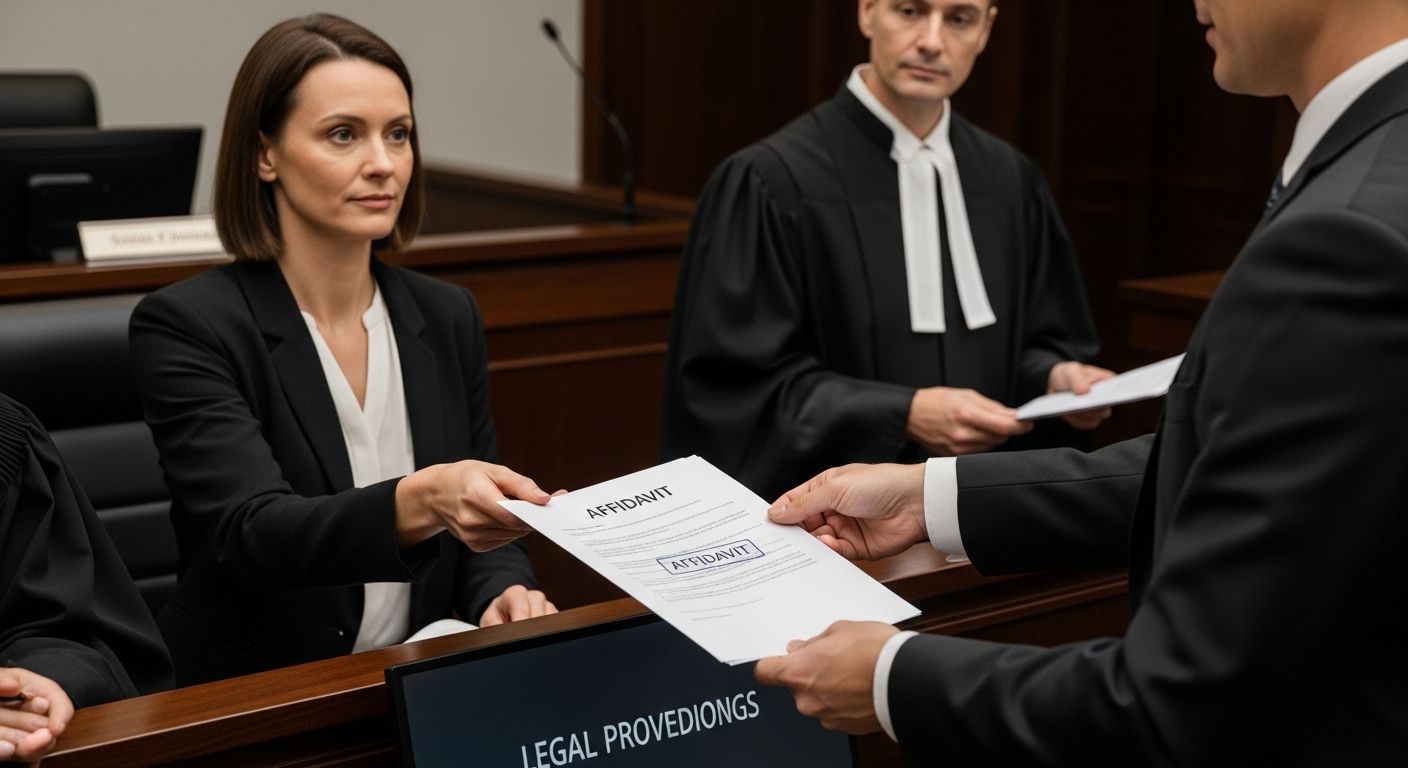
Learn more about legal document authentication and discover how modern notarization services can simplify these critical legal procedures in Ontario.
Make Your Affidavit or Witness Statement Count, Stress-Free
Are you feeling uncertain about the differences between affidavits and witness statements and how each affects your legal situation? Many people in Ontario worry about completing these critical documents correctly, especially when legal weight and formal requirements like commissioning or notarization are involved. A single mistake could undermine your entire case or delay your important process. That is why understanding these documents is just the beginning—ensuring their accuracy and legal validity is what truly matters. Trusting experienced professionals to help you commission or notarize your affidavit or prepare your witness statement brings peace of mind and protects your interests.

Skip the confusion and avoid costly errors. If you need a sworn affidavit, invitation letter, or statutory declaration, our team at theonlinenotary.ca delivers fast, secure, and fully remote notary services across Ontario. Our easy online platform helps you validate your documents correctly and meets all legal standards. Visit theonlinenotary.ca and take your next step toward reliable legal documentation today.
Frequently Asked Questions
What is the main difference between an affidavit and a witness statement?
The primary difference lies in their formal authentication and legal weight. An affidavit is sworn under oath before an authorized official, while a witness statement is typically a narrative account without mandatory oath administration.
Are affidavits and witness statements both considered legal documents?
Yes, both affidavits and witness statements are considered legal documents that serve as written evidence in legal proceedings, although they have different levels of formality and evidentiary weight.
Can I use a witness statement in court?
Yes, a witness statement can be used in court to present firsthand accounts of events, but it may require additional verification compared to an affidavit, which carries higher evidentiary weight due to its sworn nature.
How are affidavits prepared and commissioned?
Affidavits are prepared by the affiant who writes the statement and then swears or affirms the truthfulness of the document in front of an authorized official, who then provides their official seal or signature.