
Affidavits hold real power in Canadian legal matters and courts rely on them to prove key facts every day. Most people are surprised to learn that in Ontario only very specific professionals can act as a legal witness and witnessing done by the wrong person can cause a court to throw out your affidavit completely. That means forgetting a single signature or picking the wrong witness could erase everything before you even have a chance to argue your case.
Table of Contents
- Defining Affidavits And Their Purpose
- Importance Of A Valid Witness In Affidavit Processes
- Legal Requirements For Witnesses In Ontario
- Types Of Individuals Eligible To Witness Affidavits
- Consequences Of Invalid Witnessing On Affidavits
Quick Summary
| Takeaway | Explanation |
|---|---|
| Affidavits require an oath or affirmation | Affidavits are legally binding statements where the deponent swears to the truthfulness of the content, adding legal accountability. |
| Valid witnesses are essential for affidavits | Witnesses must meet specific criteria, such as age and impartiality, to ensure the affidavit’s legal validity and integrity. |
| Inadequate witnessing can invalidate affidavits | Failure to adhere to witnessing requirements may lead to rejection of the affidavit in legal processes, undermining its purpose. |
| Professional witnesses include lawyers and notaries | Certain professionals, including lawyers and authorized public officials, are qualified to witness affidavits due to their legal knowledge. |
| Understand potential consequences of invalid witnessing | Improper witnessing can result in legal delays, additional costs, and possible accusations of misrepresentation for the involved parties. |
Defining Affidavits and Their Purpose
An affidavit represents a powerful legal document that serves as a written statement of facts sworn under oath, carrying significant legal weight in various judicial and administrative proceedings. Understanding the nuances of affidavits requires examining their fundamental purpose and legal implications.
What Exactly is an Affidavit?
At its core, an affidavit is a voluntary, sworn statement made by an individual (the deponent) in the presence of an authorized official, such as a notary public or commissioner for taking affidavits. The deponent confirms the truthfulness of the written statement by signing the document and taking an oath or affirmation. This process transforms the document from a simple written statement into a legally binding declaration.
Key characteristics of an affidavit include:
- Must be voluntarily created without external pressure
- Contains factual statements the deponent personally knows
- Signed in the presence of a legally authorized witness
- Carries potential legal consequences for false statements
Legal Significance and Applications
Affidavits play a crucial role across multiple legal and administrative contexts. According to legal research from the Ontario Court of Justice, affidavits are commonly used in scenarios such as:
- Property transactions and real estate documentation
- Court proceedings and legal evidence submission
- Immigration and citizenship applications
- Verification of personal identity and background checks
- Confirming financial statements or business transactions
The critical distinction between an affidavit and a regular written statement is the oath or affirmation component. By swearing to the truthfulness of the content, the deponent becomes legally accountable for any misrepresentations, which could result in charges of perjury. This accountability ensures that affidavits maintain high standards of integrity and reliability in legal and administrative processes.
Importance of a Valid Witness in Affidavit Processes
In legal documentation, the role of a witness is not merely procedural but fundamental to establishing the credibility and legal validity of an affidavit. Understanding the nuances of witness requirements reveals the critical nature of proper attestation in legal processes.
Who Qualifies as a Valid Witness?
A valid witness for an affidavit must meet specific legal criteria that ensure the document’s integrity and reliability. According to legal guidelines from the Ontario Courts, a qualified witness typically possesses the following characteristics:
- Must be at least 18 years of age
- Must be of sound mind and mental capacity
- Cannot be a direct party or have a vested interest in the legal matter
- Must be capable of understanding the significance of the oath or affirmation
- Should have no personal connection that might compromise their objectivity
Legal Implications of Witness Attestation
The witness plays a pivotal role in transforming an affidavit from a simple written document to a legally recognized statement. By personally observing the deponent sign the document and verifying their identity, the witness provides crucial verification of the statement’s authenticity.
Key responsibilities of a witness include:
- Confirming the identity of the person signing the affidavit
- Ensuring the deponent understands the contents of the document
- Witnessing the voluntary signing of the document
- Certifying that the deponent appears to be of sound mind
- Maintaining confidentiality and professional neutrality
The witness’s signature and official stamp or seal serve as legal proof that the document was executed properly and voluntarily. This process protects all parties involved by creating a transparent and verifiable record of the statement, which can be crucial in legal proceedings, administrative processes, and official documentation.
Legal Requirements for Witnesses in Ontario
In Ontario, witnessing legal documents demands strict adherence to precise regulatory standards that protect the integrity of legal processes. Understanding who can legally witness signatures becomes crucial for ensuring document validity and legal compliance.
Professional Qualifications for Witnesses
Ontario law establishes comprehensive criteria for individuals authorized to serve as legal witnesses. According to guidelines from the Ontario Ministry of the Attorney General, qualified witnesses typically include:
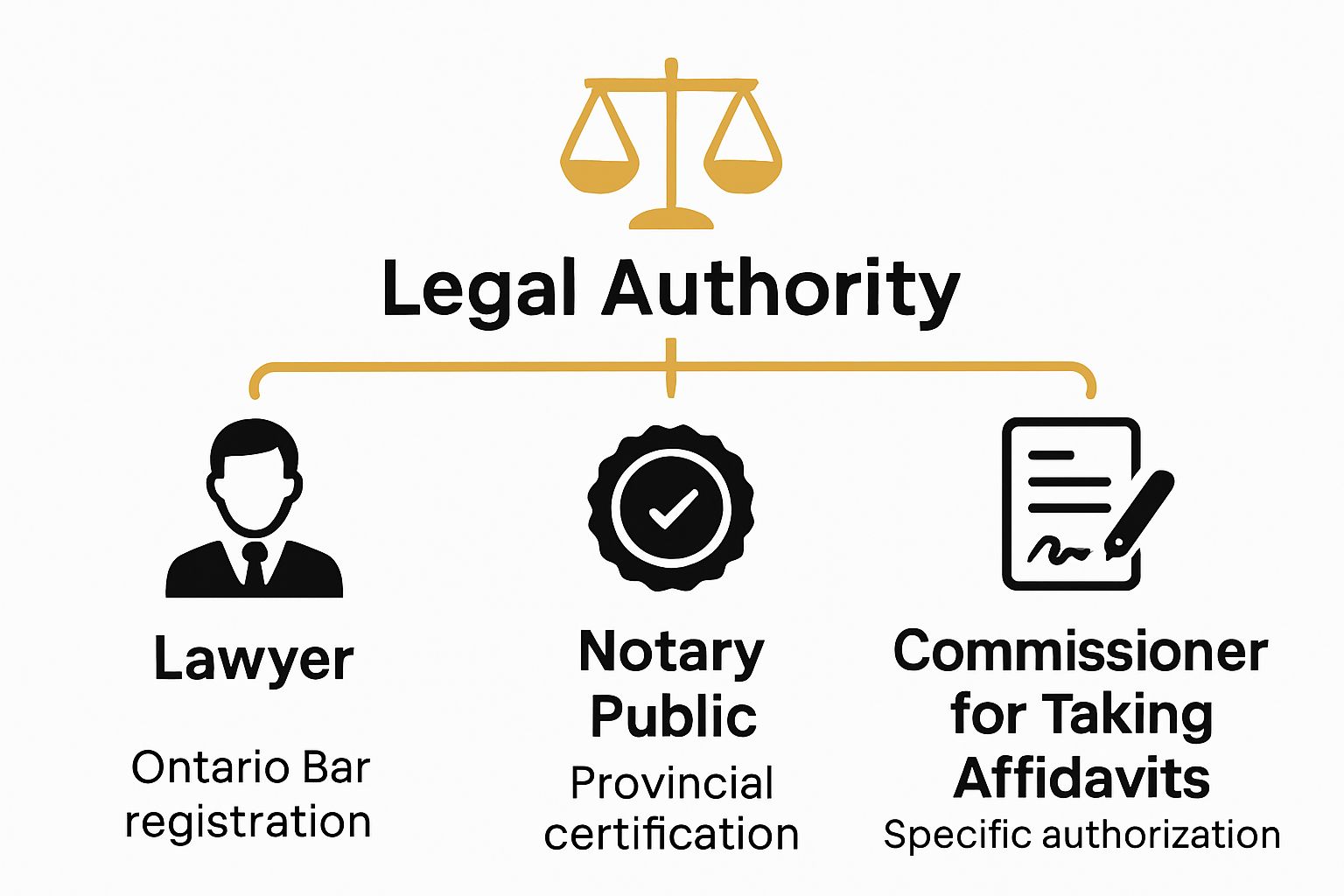
- Lawyers registered with the Ontario Bar Association
- Notaries public with active provincial certification
- Commissioners for taking affidavits
- Specific public officials with legal authorization
- Professionals holding specific governmental or judicial credentials
Specific Witnessing Requirements
Witnesses in Ontario must fulfill rigorous professional and ethical standards. These requirements extend beyond mere professional status and encompass personal conduct and legal accountability. Key obligations include:
- Maintaining complete impartiality during document verification
- Personally observing the document signing process
- Verifying the signatory’s identity through official identification
- Confirming the signatory understands the document’s contents
- Documenting their witnessing with official signatures and credentials
The legal framework surrounding witnesses aims to prevent fraud, ensure voluntary participation, and create a transparent record of legal transactions. By mandating specific qualifications and conduct, Ontario protects the rights of individuals and maintains the highest standards of legal documentation.
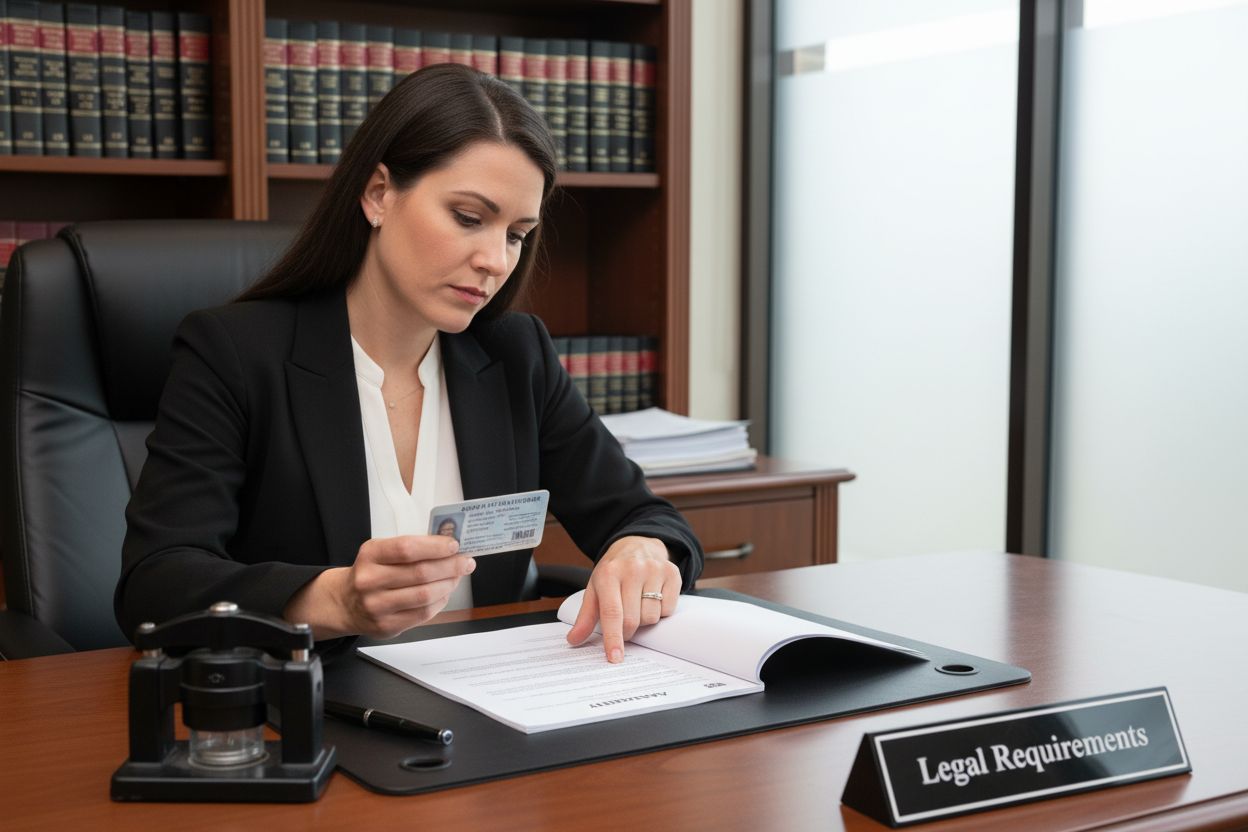
Types of Individuals Eligible to Witness Affidavits
In legal documentation, not everyone can serve as a witness for an affidavit. Understanding the different categories of eligible witnesses is crucial for maintaining document integrity and legal validity.
Professional Legal Witnesses
Certain professional categories are automatically authorized to witness affidavits due to their legal training and professional standing. According to guidelines from the Ontario Court Services, these professionals include:
- Lawyers currently registered with the Ontario Bar Association
- Active notaries public with provincial certification
- Commissioners for taking affidavits
- Judges and judicial officials
- Court clerks with specific authorization
Authorized Public Officials and Professionals
Beyond traditional legal professionals, several public officials and credentialed professionals can also serve as valid witnesses. These individuals must demonstrate:
- Proven professional credentials
- Understanding of legal documentation processes
- No direct personal interest in the document’s contents
- Ability to verify the identity of the document signatory
- Capacity to administer oaths or affirmations
Qualified public officials typically include municipal clerks, provincial government administrators, and specific healthcare professionals with appropriate certification.
The table below outlines the key categories of individuals who are eligible to witness affidavits in Ontario, along with brief descriptions of each type.
| Category | Description |
|---|---|
| Lawyer | Licensed member of the Ontario Bar Association authorized to administer oaths and witness documents. |
| Notary Public | Appointed and certified public official empowered to administer oaths and attest affidavits. |
| Commissioner for Taking Affidavits | Official appointed under provincial law to witness affidavits and statutory declarations. |
| Judge or Judicial Official | Individuals holding judicial office who have authority to witness legal documents. |
| Court Clerk | Designated court employee with specific authorization to witness affidavits. |
| Municipal Clerk | Public official in a municipal office with legal authorization to witness documents. |
| Provincial Government Administrator | Certain government officials with credentials to verify identity and witness affidavits. |
| Specific Healthcare Professionals | Certified professionals (e.g., some healthcare workers) authorized under law for particular affidavit types. |
 The key requirement is maintaining professional neutrality and understanding the serious legal implications of witnessing a document.
Consequences of Invalid Witnessing on Affidavits
An improperly witnessed affidavit can compromise the entire legal standing of a document, potentially rendering it invalid and useless. Understanding the potential risks of incorrect witnessing is crucial for maintaining legal integrity.
Legal Invalidation and Rejection
When an affidavit fails to meet strict witnessing requirements, courts and legal institutions can summarily reject the document. According to legal guidelines from the Ontario Superior Court of Justice, potential grounds for invalidation include:
- Witness lacks proper legal authorization
- Witness has a direct personal interest in the document
- Improper identification verification process
- Absence of witness signature or official seal
- Failure to administer proper oath or affirmation
Potential Broader Implications
Beyond immediate document rejection, invalid witnessing can trigger more significant legal consequences. These may encompass:
- Potential legal proceedings being delayed or dismissed
- Financial costs associated with document reprocessing
- Potential accusations of attempted legal misrepresentation
- Requirement to restart entire documentation process
- Potential professional disciplinary actions for involved parties
The legal system maintains rigorous standards to ensure document authenticity and prevent potential fraud. Invalid witnessing is not merely a technical error but a serious procedural breach that can undermine the entire purpose of the affidavit.
This table summarizes the major legal consequences that may result from improper or invalid witnessing of an affidavit, helping to illustrate the risks of non-compliance.
| Consequence | Explanation |
|---|---|
| Legal Invalidation | The affidavit may be rejected by courts or legal authorities. |
| Delay of Legal Proceedings | Flawed documentation can postpone or halt legal processes. |
| Financial Costs | Additional expenses may arise from reprocessing or restarting documentation. |
| Accusations of Misrepresentation | Improper witnessing may lead to questions of intent or honesty. |
| Professional Disciplinary Action | Involved parties may face review or sanction by licensing bodies. |
| Requirement to Restart Process | All paperwork may need to be redone, causing time and resource loss. |
Ensure Your Affidavit Meets Ontario’s Witnessing Standards—No Uncertainty Required
Getting your affidavit properly witnessed in Ontario can feel overwhelming. A single misstep, like choosing an ineligible witness or missing a key requirement, could lead to your document being rejected by the courts. You want peace of mind that your legal statements—whether for property transactions, immigration, or financial matters—are executed flawlessly and stand up to legal scrutiny. The risks are real: invalid witnessing can cause costly delays, drive up your stress, and even jeopardize your legal proceedings.

Why leave your affidavit’s validity up to chance? The team at The Online Notary simplifies the process by connecting you with qualified, Ontario-commissioned professionals online. You get:
- Legally authorized notary public services from your own location
- Expert guidance in preparing and witnessing affidavits, invitation letters, statutory declarations, and more
- Full compliance with strict Ontario requirements
Act now to avoid mistakes and delays. Start your secure and seamless online notary service today. Your peace of mind is just a click away.
Frequently Asked Questions
Who is eligible to be a witness for an affidavit?
A witness for an affidavit must be at least 18 years old, of sound mind, and cannot have a vested interest in the matter. They should be capable of understanding the significance of the oath or affirmation.
What responsibilities does a witness have when signing an affidavit?
A witness must confirm the identity of the deponent, ensure they understand the contents of the document, personally observe the signing process, and document their witnessing with official signatures and credentials.
Can a family member act as a witness for an affidavit?
No, a family member cannot be a witness for an affidavit as they may have a direct personal interest in the matter, which could compromise the object’s impartiality.
What are the consequences of invalid witnessing on an affidavit?
If an affidavit is not properly witnessed, it may be rendered invalid, leading to potential legal rejections, delays in legal proceedings, and possible accusations of legal misrepresentation.
Recommended
- Understanding Affidavit vs Witness Statement: Key Differences – The Online Notary
- Understanding Affidavit vs Witness Statement: Key Differences – The Online Notary
- Understanding Affidavit for Proof of Relationship – The Online Notary
- Understanding Affidavit for Proof of Relationship – The Online Notary