
Visa officers reject over 25 percent of applications due to incomplete or incorrect supporting documents. Crafting a clear and thorough invitation letter can mean the difference between a quick approval and months of headaches. For anyone applying to visit Ontario or help a guest enter Canada, understanding the invitation letter’s real impact and getting the details right is crucial for a smooth process and avoiding costly setbacks.
Table of Contents
- Definition And Purpose Of Invitation Letter
- Types Of Visa Invitation Letters
- Essential Content For Invitation Letters
- Legal Requirements And Notarization
- Risks And Common Mistakes
- Notary Services For Invitation Letters
Key Takeaways
| Point | Details |
|---|---|
| Definition of Invitation Letter | A formal document confirming a visitor’s purpose and duration of stay, crucial for visa applications. |
| Types of Invitations | Invitation letters can be categorized for family visits, business meetings, academic exchanges, and more, each requiring specific details. |
| Essential Content | Key elements include visitor identification, visit purpose, planned dates, financial support confirmation, and host details. |
| Importance of Notarization | Notarization enhances the credibility of the invitation letter, ensuring legal validity and reducing immigration scrutiny. |
Definition And Purpose Of Invitation Letter
An invitation letter is a formal document that serves a critical role in international travel and visa applications. According to LegalClarity, it is a document from a host in the destination country that confirms the visitor’s purpose and duration of stay while establishing the relationship between the inviter and invitee.
The primary purpose of an invitation letter varies depending on the specific context of travel. For instance, World Conference Experience (WCE) notes that these letters can serve official functions like confirming conference registration fees and providing a legitimate reason for entering a country. Typically, invitation letters are used in several key scenarios:
- Visiting family or friends
- Attending academic conferences or seminars
- Business meetings or professional exchanges
- Medical treatments or consultations
- Cultural or educational program participation
In the context of visa applications, an invitation letter acts as an essential supporting document that provides immigration authorities with crucial information. It demonstrates the legitimacy of the traveler’s intentions and helps establish the credibility of the visa application.
The letter typically includes specific details such as:
- Full name of the visitor
- Purpose of the visit
- Planned duration of stay
- Relationship between the inviter and invitee
- Confirmation of financial support or accommodation arrangements
For Ontario residents preparing an invitation letter, understanding its precise purpose and crafting it carefully can significantly improve the chances of a successful visa application. The Essential Guide to Invitation Letter Requirements Canada provides more comprehensive insights into creating a robust and effective invitation letter tailored to Canadian immigration standards.
Types Of Visa Invitation Letters
Visa invitation letters come in various forms, each tailored to specific travel purposes and immigration requirements. According to Sample Invitation Letter, these letters can differ significantly across countries like the USA, Australia, UK, Canada, and New Zealand, with each nation having unique visa application standards.
In the academic and professional context, University of Bath identifies several distinct categories of invitation letters. These primary types include:
- Academic Visitor Letters: For scholars, researchers, and students participating in educational exchange programs
- Business Visitor Letters: Supporting professional conferences, meetings, or corporate exchanges
- Permitted Paid Engagement Letters: For individuals invited to perform specific short-term professional work
Moreover, visa invitation letters can be further classified based on their specific objectives:
- Family Visit Invitations
- Tourist Visit Invitations
- Medical Treatment Invitations
- Conference or Workshop Invitations
- Cultural Exchange Program Invitations
Each type of invitation letter requires unique supporting documentation and must meticulously address the specific requirements of the intended visa category.
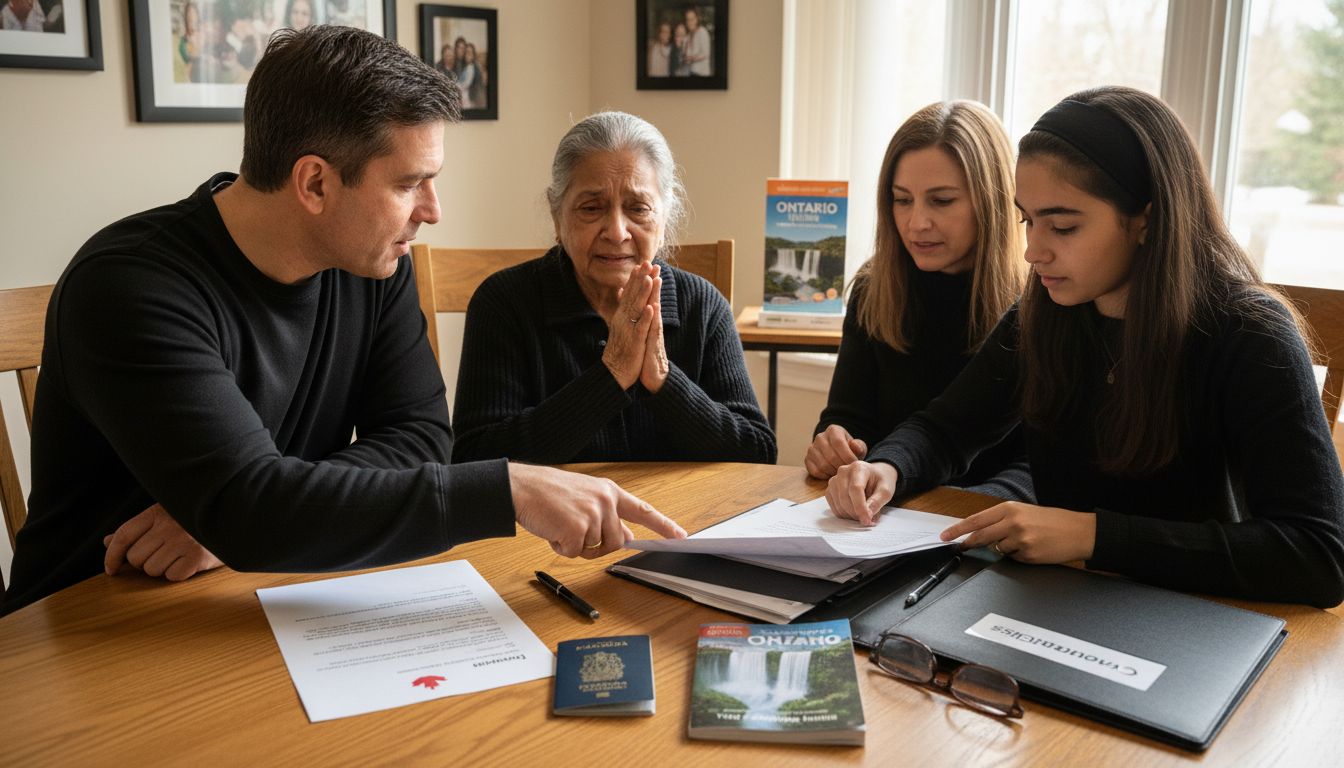 When preparing these documents for Ontario, attention to detail becomes paramount. Drafting Invitation Letter for Ontario can provide additional guidance on crafting precise and effective invitation letters that meet Canadian immigration standards.
Essential Content For Invitation Letters
Crafting a comprehensive invitation letter requires careful attention to specific details that demonstrate the legitimacy of the visitor’s purpose. According to the University of Scranton, an effective invitation letter must include critical information such as the invitee’s name, relationship to the host, purpose and dates of the visit, funding details, accommodation information, and a proposed itinerary.
Key elements of a robust invitation letter typically encompass personal, travel, and logistical information. Edinburgh University emphasizes that the document must explicitly detail the following components:
- Full legal name of the invitee
- Passport or identification details
- Precise purpose of the visit
- Exact travel dates (arrival and departure)
- Host’s complete contact information
- Confirmation that the visit will not exceed 12 months
A comprehensive invitation letter should also address financial and logistical considerations. This includes:
- Clear statement of who will cover travel expenses
- Proof of accommodation arrangements
- Detailed explanation of the visit’s purpose
- Relationship between the host and invitee
- Commitment to comply with visa regulations
For Ontario residents preparing invitation letters, precision and clarity are paramount. Drafting Invitation Letter for Ontario offers valuable insights into creating a document that meets Canadian immigration standards and increases the likelihood of a successful visa application.
Legal Requirements And Notarization
Navigating the legal requirements for invitation letters involves understanding specific guidelines and documentation standards. According to Keck Graduate Institute, it is crucial to note that invitation letters should come directly from the host, particularly for visitor visas, rather than relying on institutional intermediaries.
Notarization plays a critical role in establishing the authenticity and legal validity of invitation letters. Different types of invitations require varying levels of documentation and verification. Oxford University Staff Immigration provides insights into creating compliant invitation letters, highlighting the importance of precise legal documentation.
Key legal considerations for invitation letters in Ontario include:
- Verifying the host’s legal status and ability to invite
- Providing accurate and complete personal information
- Demonstrating financial capability to support the visitor
- Ensuring all statements can be legally verified
- Maintaining transparency about the purpose of the visit
The notarization process adds an extra layer of credibility to invitation letters by:
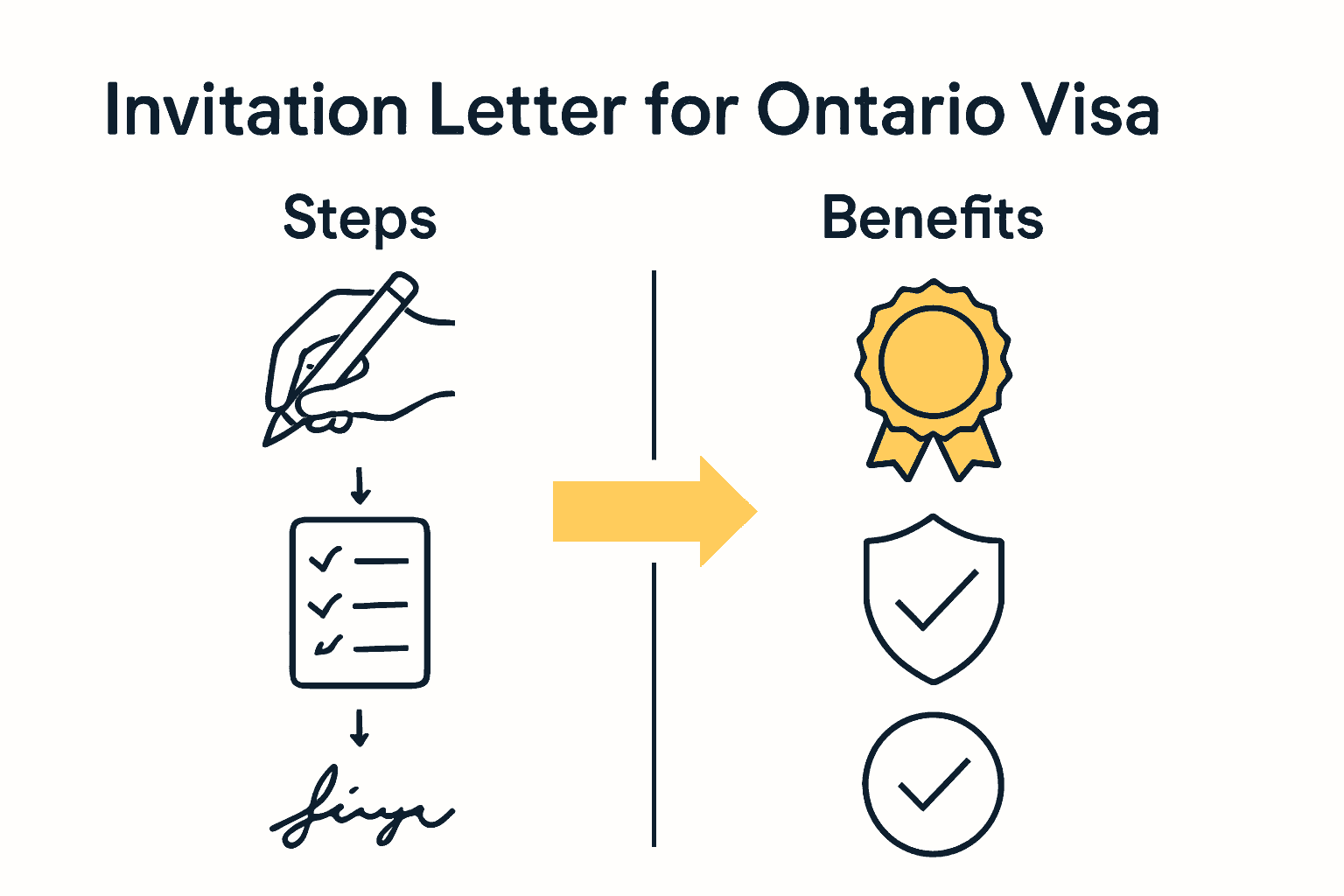
- Confirming the identity of the document’s signatory
- Validating the authenticity of the signature
- Providing an official seal of verification
- Creating a legally recognized document
- Reducing the potential for fraud
For Ontario residents seeking a comprehensive understanding of notarization requirements, Understanding Requirements for Notarization in Ontario offers detailed guidance on navigating the legal complexities of document authentication.
Risks And Common Mistakes
Crafting an invitation letter for a visa application requires meticulous attention to detail. LegalClarity highlights several critical mistakes that can potentially derail a visa application, including providing incomplete information, failing to establish a clear relationship between the inviter and invitee, and not specifying the visit’s precise purpose and duration.
One of the most significant risks in invitation letter preparation is the generic approach to documentation. Sample Invitation Letter warns that using standardized templates without customization can lead to immediate rejection. Each invitation letter must be carefully tailored to the specific circumstances and unique requirements of the individual visa application.
Common mistakes that can compromise an invitation letter include:
- Incomplete or vague personal details
- Inconsistent travel dates
- Lack of financial support documentation
- Unclear purpose of visit
- Missing contact information
- Failure to demonstrate genuine relationship
Potential risks associated with poorly prepared invitation letters encompass:
- Immediate visa application rejection
- Potential future immigration complications
- Delayed processing times
- Additional scrutiny from immigration officials
- Potential legal implications for both inviter and invitee
Understanding Requirements for Notarization in Ontario provides additional insights into mitigating risks and ensuring your invitation letter meets the stringent requirements of Canadian immigration authorities.
Notary Services For Invitation Letters
Notary services play a critical role in authenticating invitation letters, ensuring their legal validity and credibility. According to Keck Graduate Institute, invitation letters should come directly from the host, highlighting the importance of personalized and verified documentation.
Notarization serves as a crucial validation process for invitation letters, particularly for visa applications. Oxford University Staff Immigration emphasizes the significance of drafting compliant invitation letters that meet stringent legal requirements and facilitate smooth visa processing.
Key aspects of notary services for invitation letters include:
- Verifying the identity of the document signatory
- Confirming the authenticity of signatures
- Providing an official seal of verification
- Ensuring document integrity
- Creating legally recognized documentation
The notarization process for invitation letters typically involves:
- Document review and verification
- Signature authentication
- Applying official notary seal
- Maintaining a record of the notarization
- Providing a certified copy if required
For Ontario residents seeking comprehensive guidance, 7 Notarized Letter Samples to Guide Your Writing offers practical insights into crafting and notarizing invitation letters that meet official standards.
Simplify Your Invitation Letter Process with Trusted Notary Services
Struggling with the complex legal details and strict requirements of crafting an effective invitation letter for a visa to Ontario can be overwhelming. You want to make sure your document includes all essential information like the visitor’s purpose, travel dates, and financial support while meeting Canadian immigration standards. Avoid common mistakes and legal risks that could delay or even reject your visa application.

Take control now by using reliable online notary services that specialize in invitation letters and related legal documents. At The Online Notary, we help Ontarians create notarized invitation letters that verify your identity, authenticate your signature, and add the necessary legal credibility to support your visa application. Don’t leave your invitation letter to chance. Start your journey with confidence and peace of mind. Visit Drafting Invitation Letter for Ontario to learn how we can assist, and then secure your notarization service today at The Online Notary. Your successful visa application begins with the right invitation letter.
Frequently Asked Questions
What is the purpose of an invitation letter for a visa?
An invitation letter serves as a formal document that confirms a visitor’s purpose and duration of stay in the destination country, helping to legitimize their visa application.
What are the main types of visa invitation letters?
The main types of visa invitation letters include family visit invitations, tourist visit invitations, medical treatment invitations, conference or workshop invitations, and cultural exchange program invitations.
What essential information should be included in an invitation letter?
An invitation letter should include the invitee’s full name, purpose and dates of the visit, the relationship between the host and invitee, funding details, accommodation arrangements, and the host’s complete contact information.
Why is notarization important for invitation letters?
Notarization is important as it validates the authenticity and legal validity of the invitation letter, ensuring that the document can be trusted by immigration authorities during the visa application process.