
Think a photocopy is all you need for important paperwork in Ontario? Not so fast. Many schools, banks, and government offices will only accept a certified copy—an officially verified duplicate that holds the same legal weight as the real thing. Photocopies get tossed aside, and originals are at risk of loss or damage if you hand them over. The twist is, getting a certified copy is a whole different process and it could be the one thing standing between your application and approval.
Table of Contents
- Definition And Purpose Of A Certified Copy
- How To Obtain A Certified Copy In Ontario
- Certified Copy Vs Notarized Copy In Ontario
- Common Uses For Certified Copies In Ontario
Quick Summary
| Takeaway | Explanation |
|---|---|
| Certified copies are official duplicates. | They are verified reproductions of original documents, recognized by authorities for legal purposes. |
| Only authorized professionals can certify documents. | In Ontario, notaries, lawyers, and court clerks are among those who can provide certification. |
| Certified copies differ from notarized copies. | Certified copies focus on reproducing documents, while notarized copies involve verifying the legitimacy of signatures. |
| Certification protects original documents. | Using certified copies safeguards originals from loss or damage during administrative processes. |
| Common uses include legal and academic documentation. | Many institutions request certified copies for identity verification, academic credentials, and property transactions. |
Definition and Purpose of a Certified Copy
A certified copy represents an official duplicate of an original document that has been verified and authenticated by a recognized authority. Unlike simple photocopies, these documents carry legal weight and serve as reliable evidence in various official proceedings. Certification of documents provides individuals and businesses with a secure method of presenting critical information without risking damage to original documentation.
What Exactly Is a Certified Copy?
A certified copy is a precise reproduction of an original document that has been examined and confirmed as an accurate representation by an authorized professional. According to Cornell Law School, these copies do not authenticate the original document’s content but guarantee that the duplicate is a true and complete reflection of the original. This distinction is crucial in legal and administrative contexts where document integrity matters.
Typical documents that often require certified copies include birth certificates, passports, academic transcripts, marriage licenses, and other critical personal identification records. Government agencies, educational institutions, and financial organizations frequently request these authenticated duplicates to verify an individual’s identity or substantiate important life events.
Legal and Practical Significance of Certified Copies
The practical importance of certified copies extends far beyond simple documentation. They serve multiple critical functions in personal and professional settings. When original documents are irreplaceable or difficult to reproduce, a certified copy provides a legally recognized alternative. For instance, banks often require certified copies of death certificates to process estate settlements, ensuring that sensitive financial transactions are handled with proper documentation.
Certified copies protect individuals from potential document loss or damage. Instead of risking an original passport or academic credential, people can present a certified copy that carries equal legal standing. This process safeguards valuable original documents while still meeting administrative requirements.
In Ontario, the certification process typically involves a qualified professional comparing the copy against the original document, verifying its accuracy, and applying an official stamp or seal. This meticulous verification ensures that the duplicate meets stringent legal standards and can be confidently used in various official contexts.
Whether you are managing personal records, navigating bureaucratic processes, or preparing documentation for legal proceedings, understanding the role and significance of certified copies is essential. These authenticated duplicates provide a reliable, secure method of presenting critical information while preserving the integrity of original documents.
How to Obtain a Certified Copy in Ontario
Obtaining a certified copy in Ontario requires understanding the specific procedures and authorized professionals who can authenticate your documents. The process varies depending on the type of document and the institution issuing the certification. Learn more about document certification to ensure you follow the correct steps for your specific needs.
Authorized Certification Professionals
In Ontario, only specific professionals are legally authorized to create certified copies. According to the Ontario Government guidelines, these authorized professionals include:
- Notaries Public: Licensed professionals who can verify and certify document copies
- Commissioners for Taking Affidavits: Government-appointed officials with certification authority
- Lawyers: Registered legal professionals who can authenticate documents
- Court Clerks: For court-related document certifications
Each of these professionals follows strict protocols to ensure the accuracy and legitimacy of the certified copy. They will carefully compare the original document with the duplicate, verify its completeness, and apply an official stamp or seal to confirm authenticity.
Document Certification Process
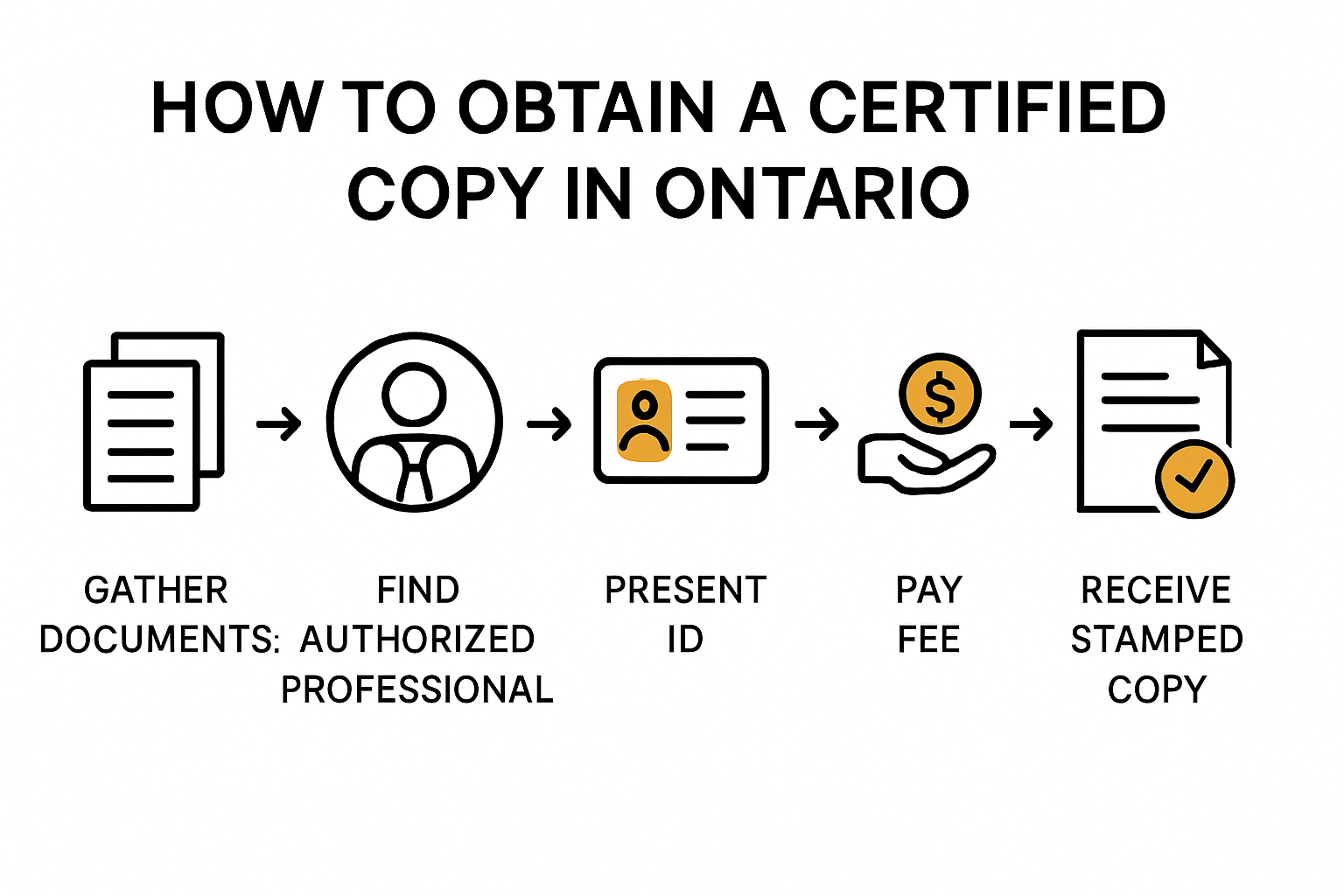
The certification process in Ontario involves several key steps. As outlined by the Government of Ontario, applicants must typically:
- Gather the original document requiring certification
- Locate an authorized certification professional
- Bring valid government-issued photo identification
- Pay the required certification fee
- Allow the professional to compare and verify the document
For specific documents like birth certificates, marriage licenses, or court records, you might need to contact the issuing agency directly. The Ontario Ministry of the Attorney General provides detailed guidance on obtaining certified copies of court documents, which often requires submitting a formal request at the specific courthouse where documents were originally filed.
Certification fees vary depending on the document type and the professional performing the service. Government agencies and notary services typically charge between $10 and $50 per document. Some professionals might offer additional services like commissioners who can provide certification during the same appointment.
While the process might seem complex, obtaining a certified copy is straightforward when you understand the requirements. Always ensure you have the original document, proper identification, and are working with an authorized professional to guarantee a valid certification.
Certified Copy vs Notarized Copy in Ontario
Understanding the distinction between certified copies and notarized copies is crucial for individuals navigating official documentation in Ontario. While these terms are often used interchangeably, they represent fundamentally different processes with unique legal implications. Learn about document authentication methods to ensure you choose the right approach for your specific needs.
Key Differences in Document Authentication
A certified copy focuses exclusively on document reproduction accuracy. According to Notary Pro, the process involves an authorized professional carefully comparing a photocopy with its original document and confirming it is a true representation. The certification stamp indicates the copy is an exact duplicate but does not validate the original document’s authenticity or content.
In contrast, a notarized copy involves a broader authentication process. The notary public verifies the identity of the document’s signatory, witnesses the signing, and applies an official seal. This process confirms the signature’s legitimacy and the signer’s identity, providing an additional layer of legal verification beyond simple document reproduction.
Here’s a table that summarizes the main differences between certified copies and notarized copies in Ontario to help you quickly determine which service you may need:
| Feature | Certified Copy | Notarized Copy |
|---|---|---|
| What Is Verified | Accuracy of duplicate against original | Signer’s identity and legitimacy of signature |
| Who Can Authorize | Notaries, lawyers, commissioners, court clerks | Notaries Public |
| Main Purpose | To provide a legally recognized copy | To verify and witness a signature |
| Common Documents | Birth certificates, passports, transcripts | Power of attorney, affidavits, contracts, consent letters |
| Stamp/Seal | Confirms copy matches original | Confirms authenticity of signature and identity |
| Typical Fee Range | $10–$30 (varies) | Often $20–$50 (can be higher depending on service) |
| Typical Use Cases | Academic, ID, real estate, government paperwork | Legal transactions, sworn statements, certain official applications |
Specific Use Cases in Ontario
Certified copies are typically required for academic transcripts, birth certificates, passports, and other critical personal documents where a precise reproduction is necessary. Government agencies, educational institutions, and financial organizations often request these authenticated duplicates to verify identity or substantiate important information.
Notarized copies, however, are more commonly used for legal documents requiring signature verification. These might include power of attorney forms, affidavits, consent letters, and contracts where confirming the signers identity and willingness is paramount. The notary’s seal provides additional legal credibility, making the document more robust in potential legal proceedings.
The choice between a certified and notarized copy depends on the specific requirements of the receiving institution. Some organizations may require both a certified true copy and a notarization, while others might need only one type of authentication.
Fees for these services vary in Ontario. Certified copies typically range from $10 to $30, depending on the document and the certifying professional. Notarization fees can be slightly higher, reflecting the more comprehensive verification process. Always confirm the exact requirements with the institution requesting the document to ensure you obtain the correct type of authentication.
Whether you need a certified or notarized copy, working with a qualified professional ensures your documents meet legal standards. Understanding these nuanced differences helps you navigate bureaucratic processes more effectively and avoid potential complications in document submission.
Common Uses for Certified Copies in Ontario
Certified copies play a critical role in numerous personal and professional scenarios across Ontario, providing a secure and legally recognized method of document verification. Explore document certification processes to understand the versatile applications of these authenticated duplicates.
Academic and Professional Documentation
In the academic and professional realms, certified copies are essential for various applications and verifications. According to Red Seal Notary, educational institutions and employers frequently require certified copies of academic transcripts, diplomas, professional certifications, and vocational documents. This ensures the integrity and authenticity of an individual’s educational and professional credentials.
Universities may request certified copies when processing international student applications, while professional regulatory bodies might require them for licensing and registration purposes. For instance, medical professionals, lawyers, engineers, and other regulated professions often need certified copies of their academic qualifications to demonstrate their eligibility for practice.
Legal and Government Documentation
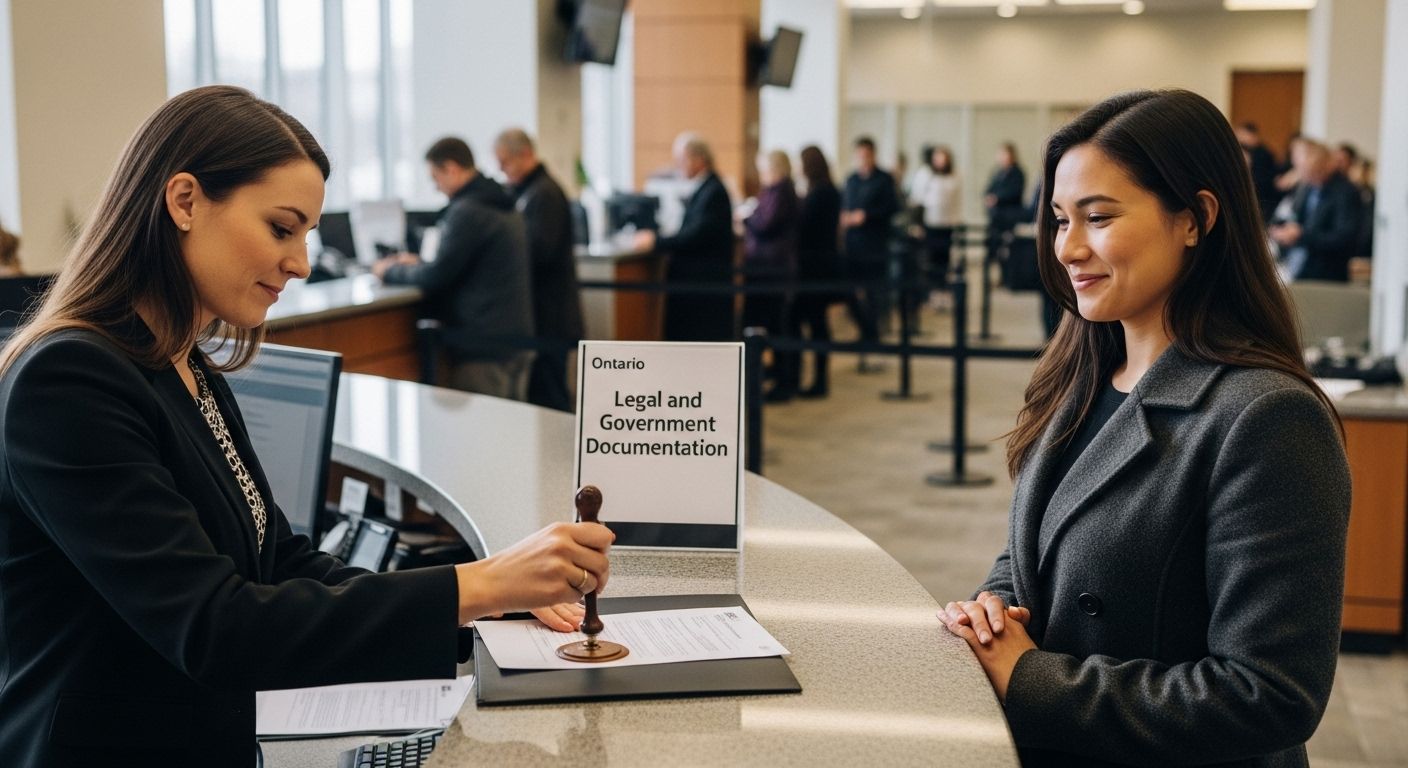
Legal and government processes heavily rely on certified copies for various administrative tasks. As noted by OnLand Help, certified copies are particularly crucial in land title records and property-related transactions. Real estate transactions, mortgage applications, and property transfers often require certified copies of original documents to verify ownership and legal standing.
Government agencies use certified copies for multiple purposes, including:
- Immigration and citizenship applications
- Passport renewal processes
- Social service benefit registrations
- Tax and revenue documentation
- Court and legal proceedings
Individuals may need certified copies of birth certificates, marriage licenses, death certificates, and other vital records when interacting with government services or pursuing legal matters.
Financial and Personal Transactions
Financial institutions and personal service providers frequently request certified copies to verify identity and process important transactions. Opening bank accounts, applying for loans, settling estates, and managing investment portfolios often require authenticated document copies.
Parents might need certified copies of their children’s birth certificates for school registrations, healthcare services, or passport applications. Individuals going through life transitions such as marriage, divorce, or name changes will likely need certified copies of relevant legal documents.
The versatility of certified copies makes them an indispensable tool for individuals navigating complex personal, professional, and legal landscapes. By providing a reliable method of document verification, certified copies help protect against fraud, ensure accurate record-keeping, and streamline various administrative processes across Ontario.
To clarify which professionals are permitted to certify copies and some sample documents they can handle, here’s a summary table for reference:
| Authorized Professional | Can Certify Copies Of… |
|---|---|
| Notary Public | Most documents (ID, transcripts, legal documents) |
| Commissioner for Taking Affidavits | Limited to some documents, often affidavits |
| Lawyer | Most legal and personal documents |
| Court Clerk | Court records and filed documents |
Frequently Asked Questions
What is a certified copy?
A certified copy is an official duplicate of an original document that has been verified for accuracy by an authorized professional, ensuring it holds the same legal weight as the original.
Who can certify documents in Ontario?
In Ontario, only specific professionals, such as notaries public, commissioners for taking affidavits, lawyers, and court clerks, are authorized to certify documents.
How do I obtain a certified copy in Ontario?
To obtain a certified copy in Ontario, you need to gather the original document, locate an authorized professional, provide valid identification, pay the certification fee, and allow them to verify and certify the document.
What is the difference between a certified copy and a notarized copy?
A certified copy confirms the accuracy of a duplicate against the original document, while a notarized copy verifies the identity of the signer and witnesses the signing, adding an additional layer of verification.
Ready to Make Certified Copies Simple in Ontario?
Are you worried your photocopies will not be accepted or that your original documents might get lost during an important application? You have learned how vital a trusted certified copy is for schools, banks and legal matters in Ontario. But visiting offices in person and sorting out authorized professionals can steal time and energy you do not have.

Choose speed and peace of mind. The online notary services from TheOnlineNotary.ca let you get certified copies, affidavits and other essential documents recognized across Ontario all online and on your schedule. Do not risk missing deadlines or facing document rejection. Take control now and book your secure digital certification or notary appointment today.
Recommended
- Certification of Documents in Ontario: 2025 Guide for Individuals & Businesses – The Online Notary CA
- How to Notarize Documents in Ontario: Easy 2025 Guide – The Online Notary CA
- Can Anyone Notarize a Document in Ontario? 2025 Guide – The Online Notary CA
- How to Get Documents Notarized Online in Ontario 2025 – The Online Notary CA